

Refrigerant Circulation That Maintains Pressure
AC Compressor Repair in Clinton for weak airflow, warm cabin air, or unusual compressor noises
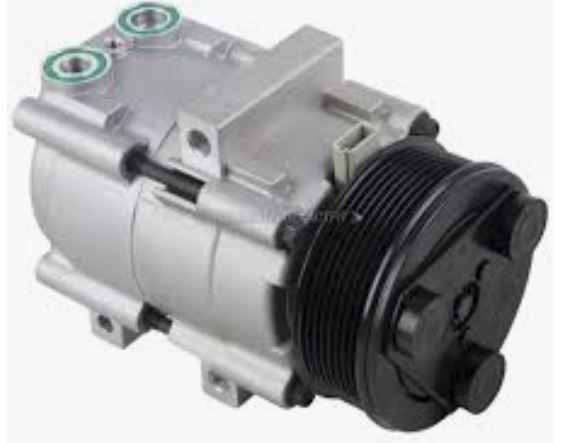
A failing AC compressor produces grinding sounds from worn internal bearings, or your system blows warm air because the compressor cannot pressurize refrigerant enough to enable heat transfer at the condenser and evaporator. The compressor functions as the AC system's pump, compressing refrigerant gas to high pressure and high temperature so it can release heat as it flows through the condenser coil. Ford Masters Auto Repair diagnoses AC compressor repair needs in Clinton when your climate control fails to produce cold air or makes noises that indicate mechanical problems inside the compressor housing.
Compressor failure stems from several causes including refrigerant leaks that allow the compressor to run without adequate lubrication, clutch bearing wear that prevents proper engagement, or internal valve damage that stops the compressor from building sufficient pressure. When refrigerant charge drops too low, the compressor pumps air and moisture instead of refrigerant, which damages seals and scoring cylinder walls.
Request a compressor performance evaluation to measure operating pressures and diagnose mechanical problems.
What Changes After Compressor Service Completes
Compressor repair involves testing clutch engagement to verify the electromagnetic coil pulls the clutch plate against the pulley, measuring amperage draw to identify excessive resistance from internal wear, and checking pressure differentials between low and high sides to confirm adequate compression. Repairs range from clutch replacement for engagement problems to complete compressor replacement when internal components have failed. The system receives a full refrigerant evacuation, oil charge calibrated to compressor specifications, and leak testing before returning to service.
Working compressor repair restores air that cools quickly when you start the system and maintains consistent temperature regardless of outside conditions or engine speed. Unusual noises disappear because new bearings or a replaced compressor eliminate the metal-on-metal contact that created grinding or squealing sounds. Your system cycles normally based on cabin temperature rather than running continuously without building pressure or shutting off from thermal overload protection.
Compressor service also includes replacing the accumulator or receiver-drier to remove moisture and debris that entered the system during the failure, which protects the new or repaired compressor from contamination. Oil circulation throughout the system lubricates all moving parts and seals, preventing premature wear that leads to repeat failures.
Common Questions About This Service
Compressor problems affect the entire AC system, and repairs involve considerations beyond just the compressor itself.
Why do compressors fail even when refrigerant levels seem adequate?
Internal valve damage occurs when refrigerant contains moisture or contamination from other failed components, and bearing wear happens when the system runs low on oil that circulates with refrigerant. A compressor operating without proper lubrication experiences accelerated wear even if refrigerant pressure appears normal on gauge readings.
How do repair shops determine whether to repair or replace the compressor?
Technicians assess clutch condition, measure internal pressure-building capacity, and evaluate whether contamination from internal failure has spread through refrigerant lines. Minor clutch or seal problems may be repairable, but scored cylinders or broken internal valves require complete compressor replacement to restore reliable function.
What happens during compressor installation that affects long-term reliability?
The entire AC system receives a flush to remove metal particles and contaminated oil, then a measured oil charge matching the new compressor's capacity gets added before refrigerant. Running the system without proper oil distribution damages the new compressor within hours of installation.
When should compressor problems be addressed rather than waiting?
Continuing to run a failing compressor circulates metal particles through refrigerant lines that damage the condenser, evaporator, and expansion valve, turning a compressor-only repair into a complete AC system replacement. Early attention to unusual noises or weak cooling in Clinton prevents that contamination from spreading.
What indicates compressor repair was successful after the work is completed?
Manifold gauges should show low-side pressure between 25 and 45 psi and high-side pressure between 200 and 250 psi with the system running, and vent temperature should reach the mid-40s Fahrenheit within two minutes of startup. The compressor clutch should engage smoothly without noise when you activate the AC controls.
Ford Masters Auto Repair provides complete compressor diagnostics that identify whether related AC components need attention to prevent repeat failures. Schedule a system pressure test to determine what's causing your cooling problems.