Emissions Repairs That Clear Inspection Requirements
Certified Emissions Repair Facility in Clinton for vehicles failing Maryland emissions testing
A failed emissions test triggers specific repair requirements before retesting, and Maryland requires that certain repairs be performed by state-certified emissions repair facilities to satisfy reinspection protocols. Ford Masters Auto Repair holds certification from the state of Maryland as an emissions repair facility, meaning technicians are trained and equipped to diagnose and repair emissions system failures that prevent vehicles from meeting air quality standards. When your check engine light accompanies a failed test or your vehicle exceeds allowable hydrocarbon or nitrogen oxide levels, certified repair facilities can both identify root causes and document completed repairs for state records.
Emissions failures stem from malfunctioning oxygen sensors, catalytic converter deterioration, evaporative system leaks, or engine control module faults that disrupt combustion efficiency. Certified facilities use diagnostic equipment that reads trouble codes, monitors sensor data in real time, and verifies repairs have restored emissions controls to manufacturer specifications. The certification process ensures technicians understand Maryland-specific emissions standards and repair documentation requirements that non-certified shops may not handle correctly.
Request an emissions system diagnosis to identify why your vehicle failed testing and what repairs will restore compliance.
How Certified Repair Addresses Emissions Failures
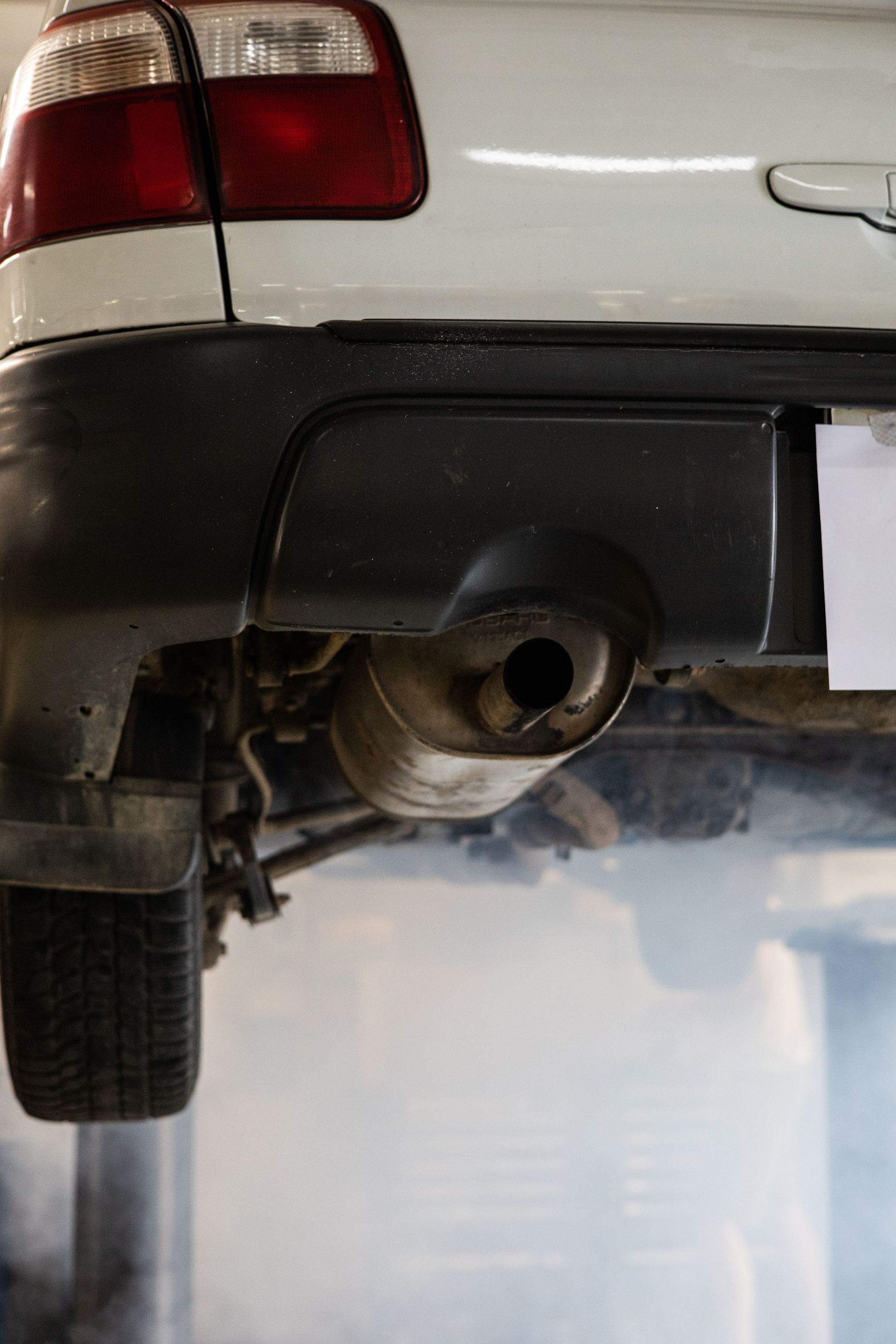
Diagnosis begins with retrieving stored trouble codes and analyzing live data from emissions-related sensors to pinpoint which component or system is causing excessive pollutants. Technicians test oxygen sensor response times, measure catalytic converter efficiency, check for vacuum leaks in the evaporative emissions system, and verify fuel trim adjustments fall within normal parameters. This process identifies whether the issue is a failed part, a developing problem, or a secondary failure caused by another worn component.
Once repairs are completed, your vehicle undergoes post-repair verification to confirm emissions readings now fall within Maryland limits before you return for official retesting. You receive documentation of the repairs performed, parts replaced, and emissions levels achieved, which satisfies state requirements for certified repair facility involvement. Ford Masters Auto Repair provides this documentation along with guidance on retesting procedures and timeframes.
Some emissions repairs require manufacturer-specific parts or reprogramming procedures that generic replacement components cannot address, particularly in vehicles with advanced emissions control systems. Certified facilities have access to technical service bulletins and manufacturer repair protocols that ensure repairs actually resolve the underlying cause rather than temporarily clearing codes.
What Property Owners Usually Ask
Emissions test failures raise questions about repair costs, part replacement necessity, and whether vehicles can pass retesting after repairs are completed.
Why does Maryland require certified facilities for certain emissions repairs?
The state mandates certified repair for specific high-failure components and repeat test failures to ensure repairs meet technical standards and are properly documented. Certification verifies that technicians have completed emissions system training and that the facility maintains diagnostic equipment capable of confirming repairs before retesting.
What documentation do I receive after emissions repairs?
You receive a repair invoice detailing replaced parts and services performed, along with a certificate of emissions repair completion that includes post-repair emissions readings. This documentation is presented at retesting and becomes part of the state record associated with your vehicle identification number.
How soon can I retest after emissions repairs are completed?
Maryland requires a drive cycle period after repairs during which the vehicle's onboard computer resets readiness monitors that were cleared during repair work. This typically takes 50 to 100 miles of varied driving conditions in Clinton and surrounding areas, after which all monitors show ready status for retesting.
What causes a vehicle to fail emissions testing in Maryland?
Common failures include worn catalytic converters that no longer reduce nitrogen oxides effectively, faulty oxygen sensors providing incorrect air-fuel mixture data, evaporative system leaks allowing fuel vapors to escape, and malfunctioning exhaust gas recirculation valves. Each produces measurable increases in specific pollutants during testing.
How do certified facilities verify repairs before I retest?
Technicians use the same diagnostic parameters the state test measures, analyzing tailpipe emissions or onboard diagnostics data to confirm readings fall within allowable limits. This pre-verification prevents returning for official retesting only to fail again due to incomplete repairs or unresolved secondary issues.
Ford Masters Auto Repair's state certification for emissions repair ensures your vehicle receives technically correct diagnosis and repair backed by documentation Maryland recognizes. Schedule emissions diagnostics to resolve test failures and prepare your vehicle for successful reinspection.