

Refrigerant Levels That Support Heat Transfer
Freon Recharge Services in Clinton for low refrigerant pressure, reduced cooling capacity, or weak airflow during summer heat
Refrigerant charge drops from slow leaks at hose connections or seal deterioration, and your AC gradually loses cooling power until it barely lowers cabin temperature even when set to maximum. Freon recharge services restore refrigerant levels to manufacturer specifications so your system can transfer heat efficiently from cabin air to outside atmosphere. Ford Masters Auto Repair handles refrigerant recharge in Clinton for vehicles using R-134a or older R-12 systems that need proper charge levels to maintain cooling performance during humid Maryland summers.
Low refrigerant prevents the evaporator from absorbing adequate heat because insufficient refrigerant mass flows through the coil, and it prevents the condenser from rejecting that heat because pressure stays too low for effective phase change. The compressor may cycle frequently or run continuously trying to compensate for inadequate cooling capacity. Refrigerant also carries oil that lubricates compressor internals, so low charge accelerates wear on moving parts.
Schedule a refrigerant level check to restore your cooling system's operating capacity.
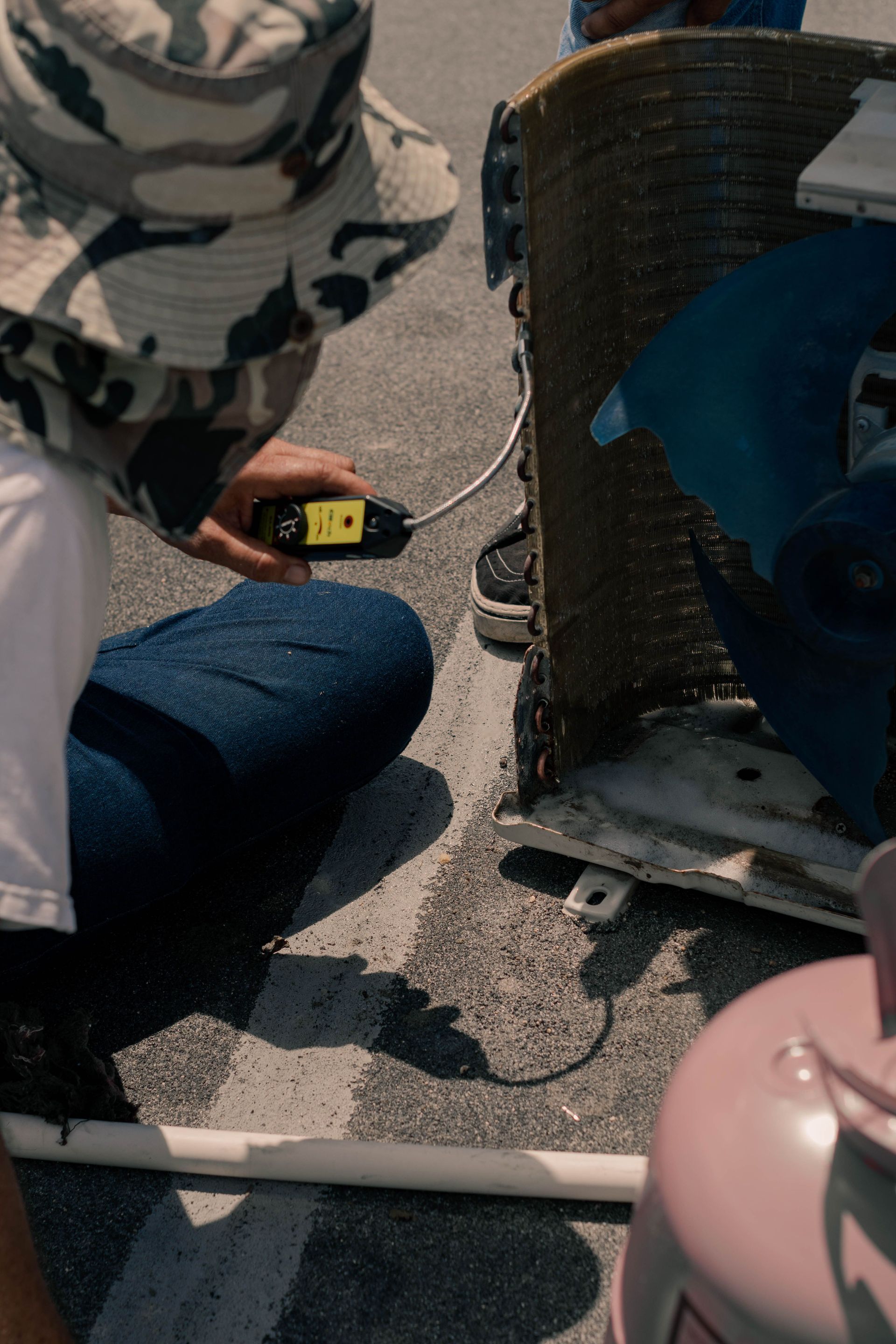
What You Notice Once Refrigerant Service Is Finished
Refrigerant service begins with recovering remaining charge into certified equipment, then evacuating the system under vacuum to remove moisture and air that entered through leaks. Technicians measure the precise refrigerant weight specified for your vehicle model and introduce it through service ports while monitoring pressure gauges to verify proper charge. The system runs through several cooling cycles to distribute refrigerant and oil throughout all components before final pressure verification.
Proper refrigerant charge produces air that cools noticeably within the first minute of operation and reaches target temperature quickly rather than gradually improving over ten or fifteen minutes. Vent temperature stabilizes in the 40-degree range, and the compressor cycles based on thermostat demand instead of running without pause. You hear the compressor clutch engage cleanly rather than chattering from low-pressure conditions that prevent solid magnetic coupling.
Recharge service identifies whether your system holds pressure after refilling or continues leaking refrigerant, which determines if additional seal or component repairs are needed. Systems that lose refrigerant within weeks indicate active leaks that require repair before recharging makes economic sense.
Questions Before Starting Your Project
Refrigerant service involves specific procedures and considerations that affect cooling performance and system longevity.
Why does refrigerant level drop if the system is supposed to be sealed?
AC systems develop small leaks at hose connections, shaft seals, and O-rings as materials age and temperature cycles cause expansion and contraction. Vehicles in Clinton experience temperature swings between winter cold and summer heat that stress these seals and accelerate refrigerant loss over time.
What determines how much refrigerant the system needs?
Vehicle manufacturers specify exact refrigerant weight based on system volume and component capacity, typically between 1.5 and 3 pounds depending on vehicle size. Too little refrigerant prevents adequate cooling, while too much refrigerant causes excessive high-side pressure that can damage components or trigger pressure relief valves.
How do technicians know whether adding refrigerant will fix the cooling problem?
Manifold gauges measure current system pressures and compare them to specification charts that account for ambient temperature. Low static pressure with the system off indicates insufficient refrigerant charge, while normal static pressure that drops excessively when the compressor runs suggests internal component problems rather than low charge.
Can older vehicles using R-12 refrigerant still be recharged?
R-12 refrigerant remains available for service but costs significantly more than R-134a, which prompts many owners to convert older systems to the newer refrigerant. Conversion requires replacing the receiver-drier, updating service fittings, and using compatible oil, but allows access to more affordable refrigerant for future service.
What maintenance helps refrigerant charge last longer after recharge?
Running the AC system monthly even during cooler weather keeps refrigerant circulating to maintain seal flexibility, and addressing small leaks when first detected prevents total refrigerant loss that allows moisture to enter the system. Annual performance checks identify pressure drops before cooling failure occurs.
Ford Masters Auto Repair checks for leaks before recharging to verify your system will maintain proper refrigerant levels after service. Arrange a complete AC assessment to determine whether your system needs recharge, leak repair, or component replacement.